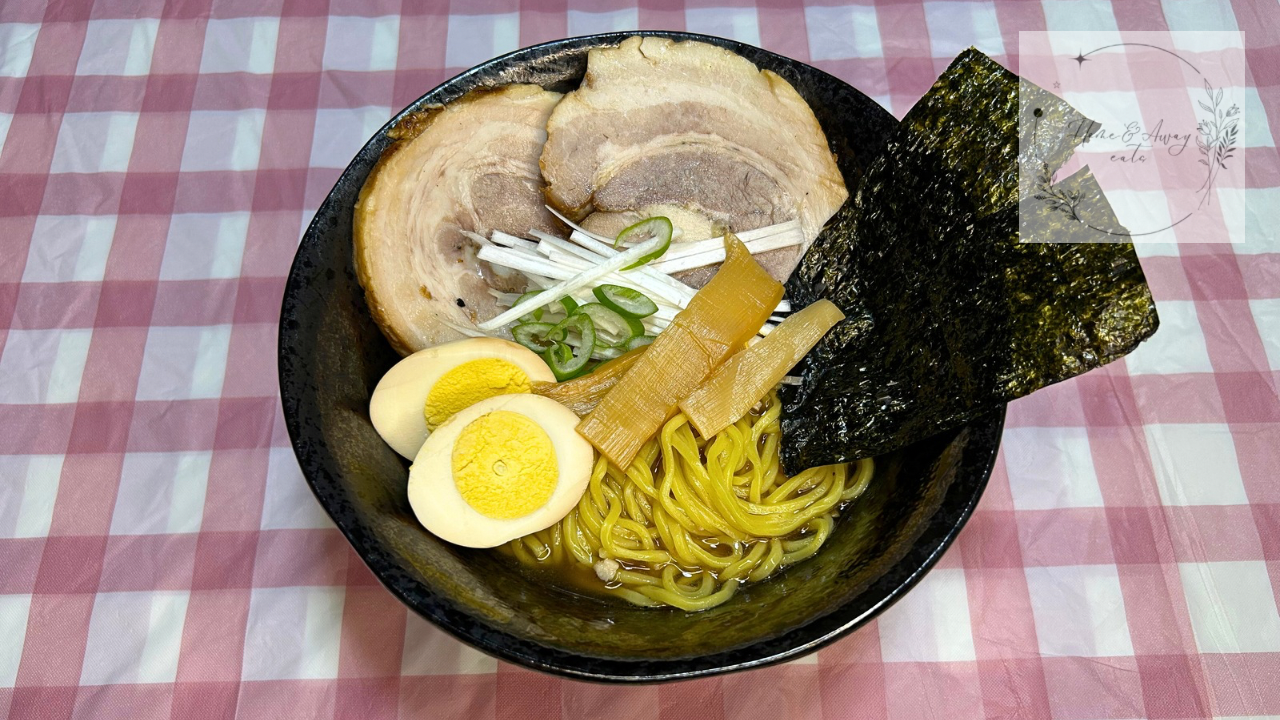
Bowl of homemade Shoyu Ramen with chashu, egg, seaweed, and green onions

Shoyu Ramen at Home – Rich and Comforting Japanese Ramen Recipe

Introduction

Shoyu Ramen Recipe at Home — Ramen is a beloved comfort food in Japan, enjoyed everywhere from small alley shops to famous ramen counters. Among its many styles, Shoyu Ramen became widely known in Tokyo for its deep soy-based flavor and straightforward toppings like chashu pork, egg, and green onions.

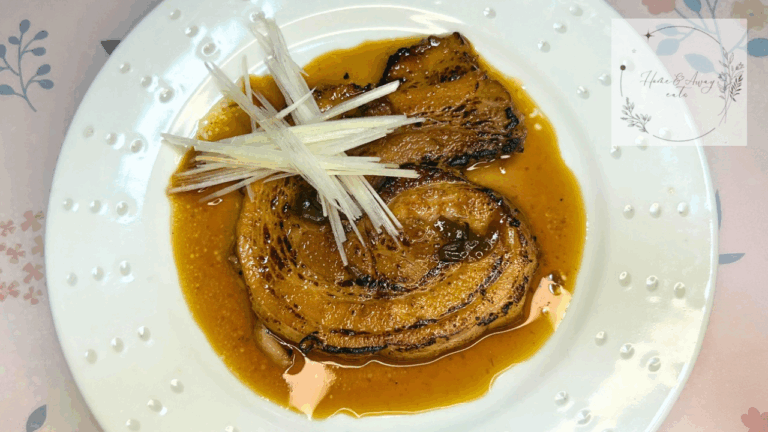
In this recipe, I use the chashu braising liquid from my previous video to build a broth that is rich, savory, and full of umami. Even without a professional kitchen, you can create a bowl of ramen that feels authentic and deeply satisfying.

I made this version because many of my friends abroad asked how to make real Japanese ramen at home. By following this method, you can learn how to build a flavorful base, adjust seasoning like a ramen chef, and serve a bowl that warms the soul.

Ingredients

(for 2 servings)

For the Ramen Broth

  • 5–6 tbsp chashu braising liquid (adjust to taste)
  • 600 ml chicken stock
    (or 4–5 tsp chicken stock powder dissolved in hot water)
  • 2–3 tsp soy sauce
  • 2 tsp mirin
  • A small amount of grated ginger or ginger juice (optional)

Toppings

  • Chashu pork, sliced
  • Soft-boiled egg or onsen tamago
  • Green onions, sliced
  • Menma (seasoned bamboo shoots)
  • Nori (seaweed)
  • Pepper, shichimi, or yuzu kosho (optional)

Instructions

Step 1 – Make the Broth

Heat the chicken stock in a pot. Add the soy sauce, mirin, and chashu braising liquid, then taste and adjust with water if needed.

Step 2 – Cook Noodles & Prepare Toppings

Keep the broth warm, boil the noodles separately, then drain well.

Step 3 – Serve

Pour the hot broth into bowls and add the noodles. Top with chashu, egg, green onions, and your favorite toppings.

Tips

  • Adjust saltiness after adding the braising liquid. It already contains soy sauce and fat.
  • Slightly stronger seasoning makes the final bowl taste balanced once noodles are added.
  • Serve immediately while the broth is hot to preserve aroma and flavor.

Watch the Full Recipe on YouTube!

For a step-by-step video tutorial, check out my YouTube channel:

👉 [Insert YouTube Link Here]

Let me know if you try this recipe. Don’t forget to like, comment, and subscribe for more delicious recipes.


Discover more from Home&Away Eats

Subscribe to get the latest posts sent to your email.
Similar Posts

  • Sweet & Juicy Teriyaki Chicken | Easy Japanese Recipe

    Introduction Teriyaki Chicken is one of the most beloved Japanese dishes around the world. Originally, teriyaki began as a cooking method for fish in Japan. The word “teri” means “gloss,” and refers to the shiny glaze made from soy sauce, mirin, and sugar. Today, chicken teriyaki has become a global favorite, known for its tender texture and sweet-savory flavor. This one was requested by my brother Soichi. He wanted to see more Japanese dishes! In this recipe, you’ll learn how to make juicy teriyaki chicken thighs with a glossy glaze—all in one pan. I created this version to highlight the natural richness of the sauce without relying on crispy skin, making it perfect for a…

  • Pork Belly Chashu Recipe | Tender Japanese Style Braised Pork

    Introduction Pork belly chashu is a Japanese style braised pork that is famous as a ramen topping but also delicious on rice or served on its own. The word chashu originally comes from the Chinese roasted pork called Char Siu. In Japan the cooking method transformed from roasting to slow simmering which creates a tender texture and rich flavor that melts in the mouth. In this recipe you will learn how to season pork belly properly how to achieve a glossy finish and how resting time affects tenderness. I created this version because many people asked how to make authentic chashu at home starting from scratch instead of using store…

  • Saba no Misoni Teishoku – Japanese Set Meal with Miso-Simmered Mackerel

    Introduction Saba no misoni, or miso-simmered mackerel, is a traditional Japanese home-style dish known for its deep umami flavor and comforting warmth. Dating back centuries, it reflects the time when miso was not only a seasoning but also a way to preserve food. The rich miso sauce balances the natural oiliness of the mackerel, resulting in a savory-sweet glaze that melts in your mouth. This set meal includes classic side dishes like spinach ohitashi and tamagoyaki, along with rice and miso soup, creating a balanced and nourishing teishoku. In this recipe, you’ll learn how to prepare tender mackerel with no fishy smell, create side dishes that complete the meal, and…

Leave a Reply

Your email address will not be published. Required fields are marked *